Do Tempered-Glass Protectors Actually Work? What Drop Tests Show
What “9H” really means (and doesn’t)
Almost every protector advertises “9H hardness.” It sounds like drop protection. It isn’t. 9H is a scratch-resistance rating from a pencil-hardness lab test — it measures how well the surface resists scratching, with no drop or impact testing involved. Useful, but a different thing entirely.
What drop tests actually show
Independent breakability tests from Allstate Protection Plans found a consistent pattern: a good case dramatically reduces body and back-glass damage — cased phones survived repeated back-down drops while a bare phone shattered — but face-down drops cracked the screen regardless of the case. In 2025 testing, even Apple’s latest Ceramic Shield 2 glass shattered after one face-down drop from six feet.
That’s the gap a tempered-glass protector is built to fill: the case handles the body, the protector takes the hit on the face.
The math is lopsided
A tempered-glass protector is a few dollars. The repair it prevents is not:
People drop their phones around seven times a year on average. Over a phone’s life, a $15 protector paying off even once is a bargain — and that’s before counting the days you’d spend without a working screen.
mobileCasez
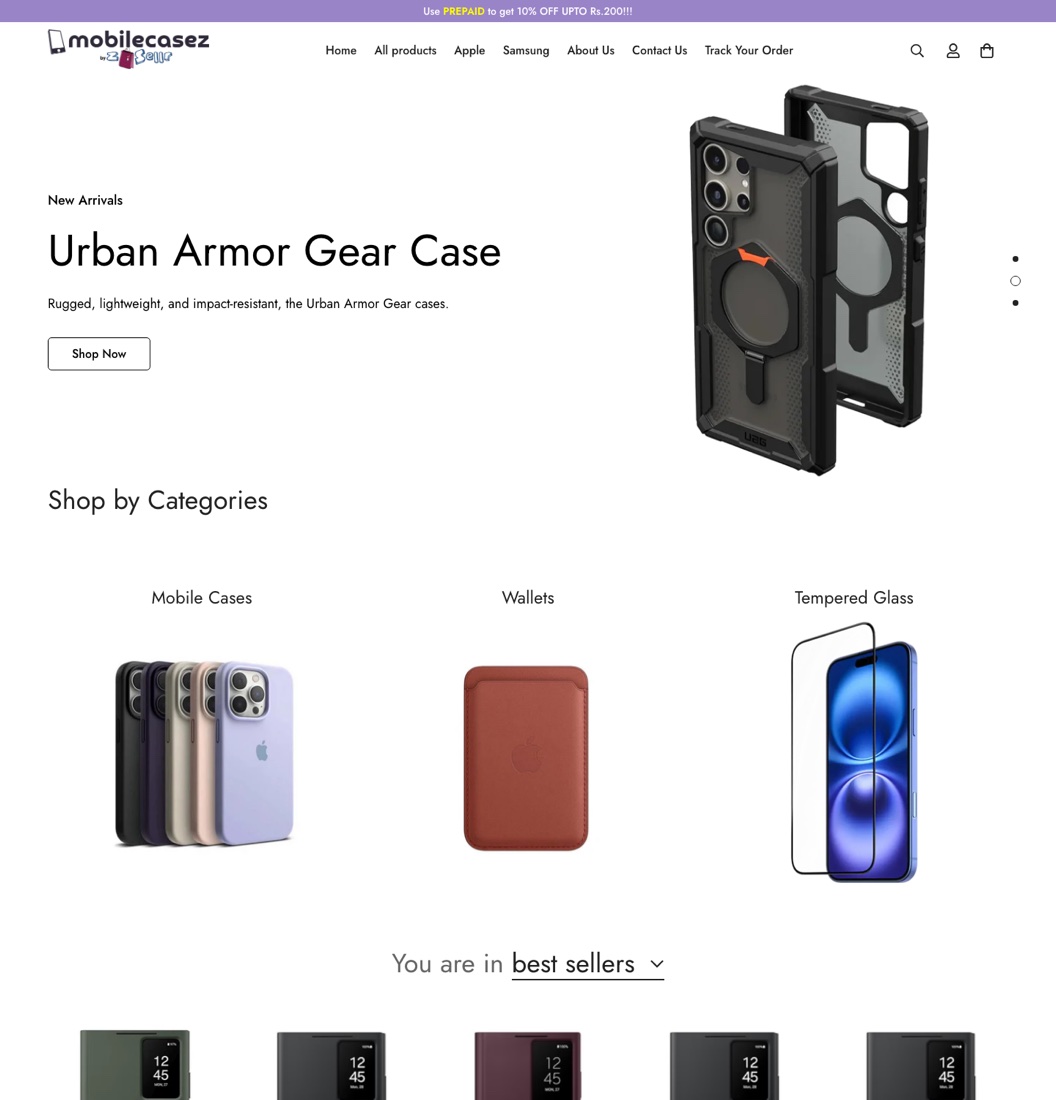
mobileCasez stocks wallet, rugged, and clear cases plus 9H tempered glass for iPhone & Samsung — free shipping and COD.
Join the discussion
Got a question or your own experience to share? Comments are moderated lightly to keep things useful.